Category Feasibility & Concept Design

When and Why do I need this Service? 

Not every project begins with a fully developed brief or a blank site. Sometimes, you just need to test if an idea is viable spatially, aesthetically, functionally, or financially. 

Concept designs are ideal for developing a brief, testing design options, securing buy-in, budgeting, or supporting fundraising, without committing to full documentation or detailed technical work.

This service often connects with As-Built Documentation, Conditional Assessments, or Masterplanning, depending on project type and scale. It’s a powerful tool for unlocking design potential with clarity and minimal risk.

Methodology for Additions and Alterations

Before undertaking a concept design, we establish the status quo by performing a measured survey of the existing asset/s. Depending on the nature of the project, the client may be advised by the Architect to appoint a Land Surveyor. Thereafter, using the up-to-date land survey and our own site information,  we develop an accurate digital model which forms the basis for the feasibility & concept design.

Methodology for New Builds

The client is required to obtain a Land Survey, which shows the property extents (as per Surveyor General ERF diagram) as well as spot levels, existing services and existing vegetation, if any. Together with the client’s project brief, the survey will be used by the Architect as a basis for the concept design.

Client Deliverables

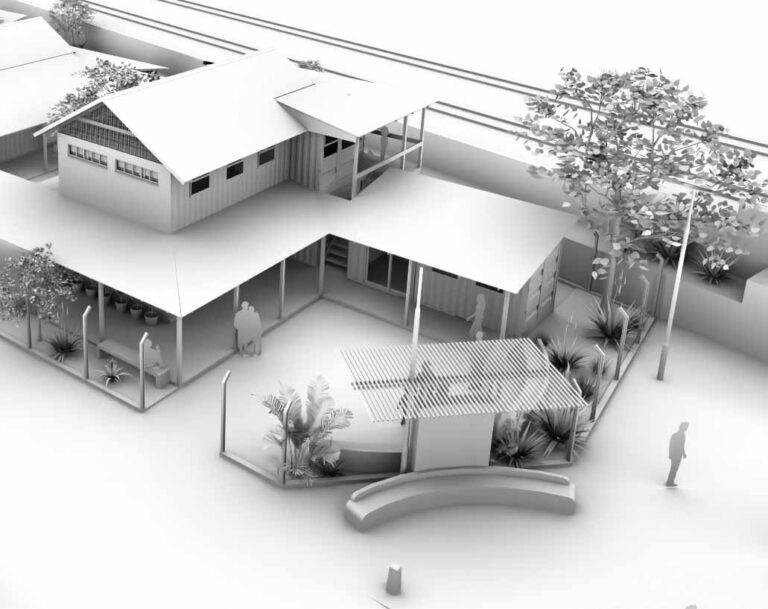
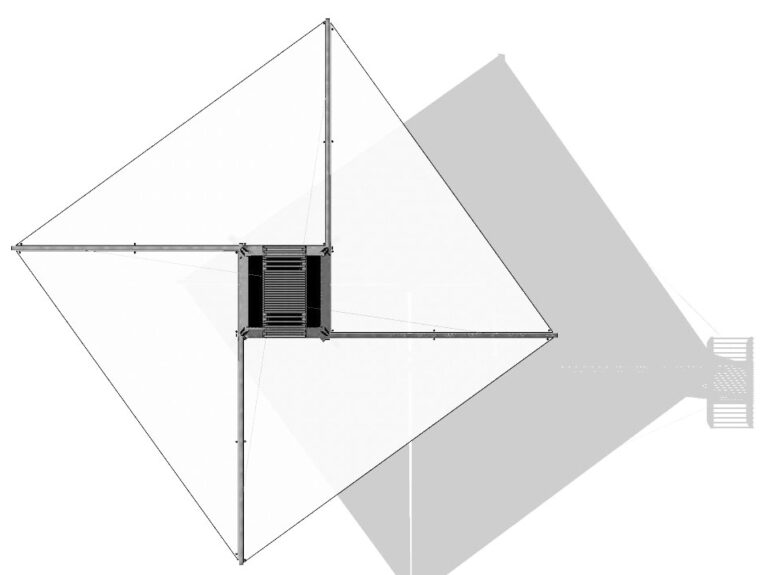
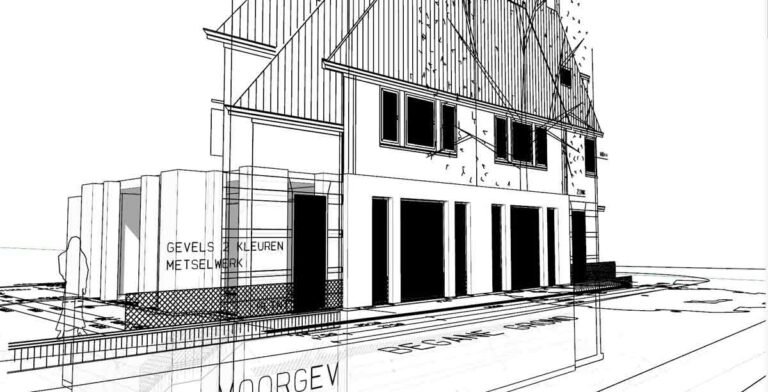
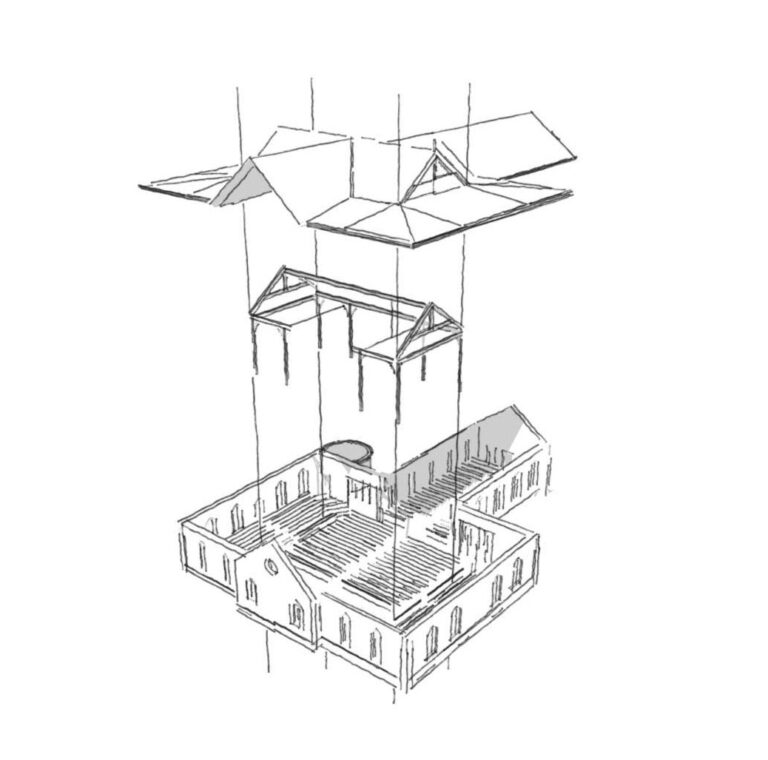
Concept design outputs may include sketches, spatial diagrams, simple 3D models, and visualisations that give form to the idea. These are not for construction or municipal submission, but they create the foundation for future work. Depending on the client’s needs, we can generate “artistic impressions” of the work, suitable for marketing purposes.

Importantly, concept designs are the time to iterate on different approaches and ideas without committing to full blown documentation.

A concept design can form the basis for a basic costing by a Quantity Surveyor or building contractor, but this not a substitute for a full Bill of Quantities which is usually based on detailed Technical Documentation.

← Back